Monday, 14 May 2018

Ride for Reading

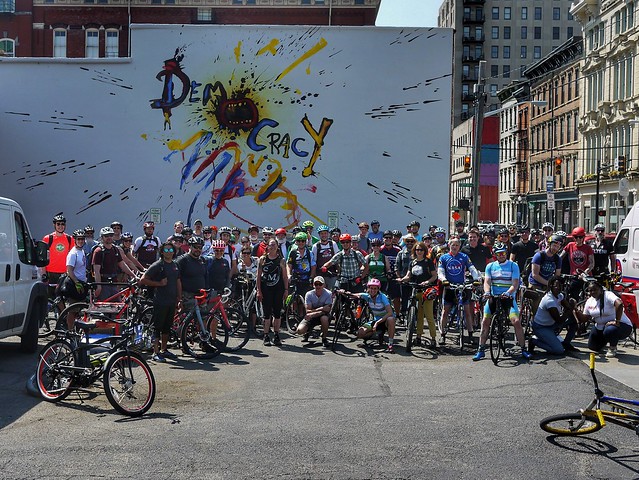
Ride for Reading was established ten years ago in Nashville Tennessee. The non-profit's stated goal is to donate books to children in low-income areas and promote literacy. Combined with a big push in May during bike month, ride for reading takes place in dozens of cities across the country.
Closer to home, with Ride for Reading's goal of delivering books by bikes it only makes sense that Northside neighborsWordPlay Cincy and Spun Bikes would team up to make this happen right here in the Queen City. WordPlay Cincy nurtures young participants from all backgrounds through personal discovery and academic skill-building programs with reading, writing and connecting at their core.
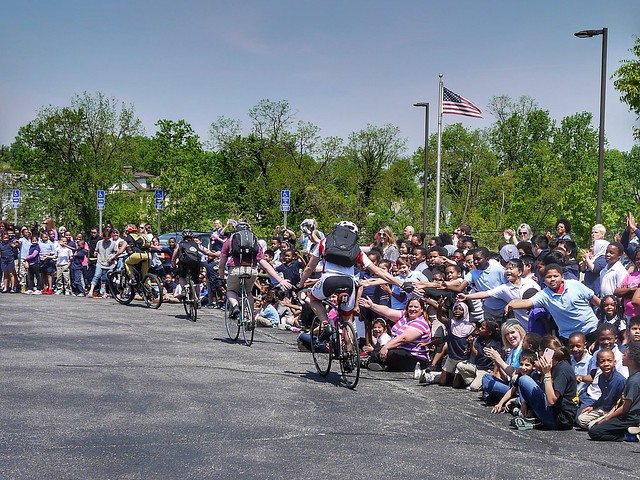
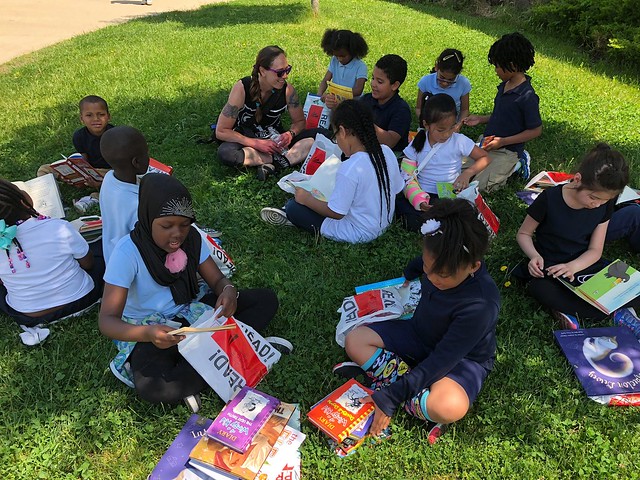
Which brings us to the Sixth Annual Ride for Reading Cincinnati. This has been one of the most soul-filling things in which I've participated. Low-income schools have around 1 book for every 300 students. Ride for Reading's goal is to deliver 10 books to each child to keep as their own. It's amazing to see the joy these kids have when we show up, and the payoff for me is doing good in my city while doing an activity I enjoy. Not to mention the feels from high fiving 500 kids riding through a parking lot filled with books.
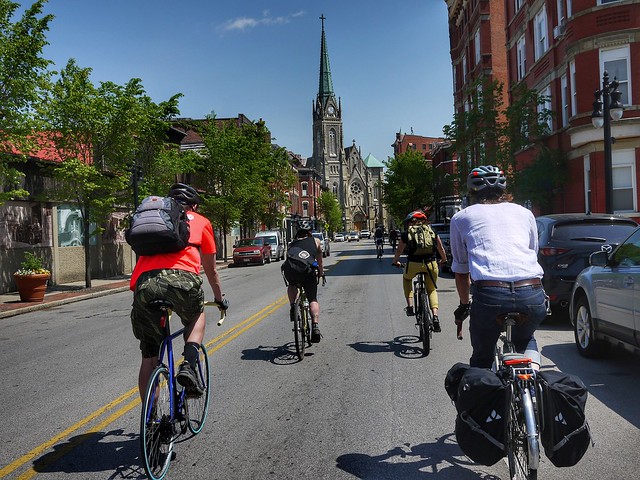
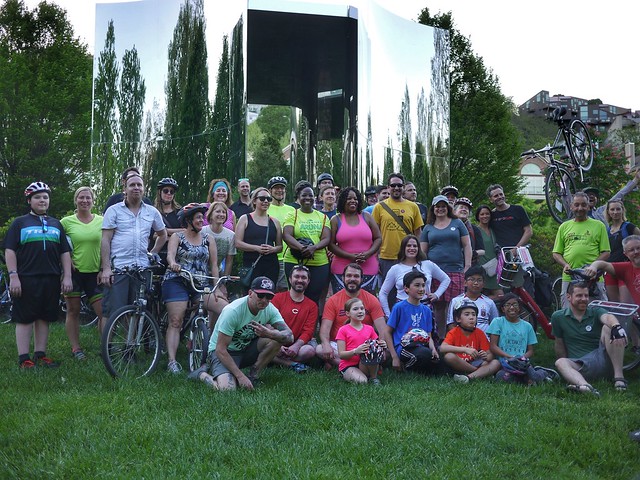
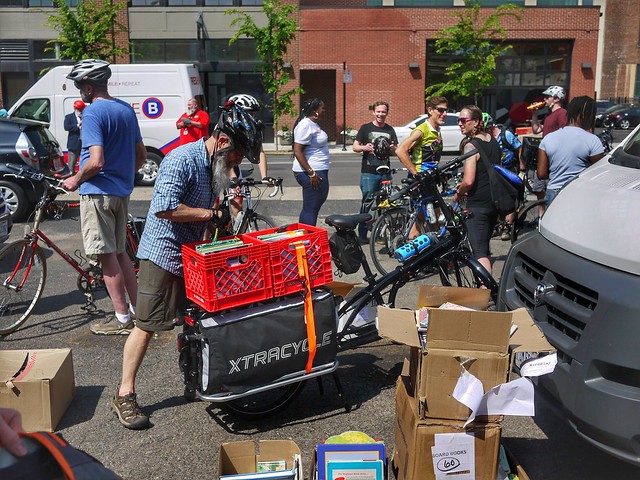
This year roughly 70 or so riders delivered over 5,000 books to The Academy of World Languages in Evanston.
If you love bikes, books, and kids join the ride next year.
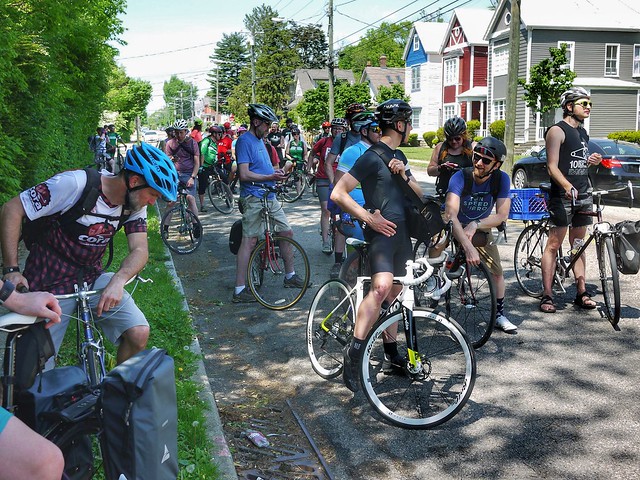
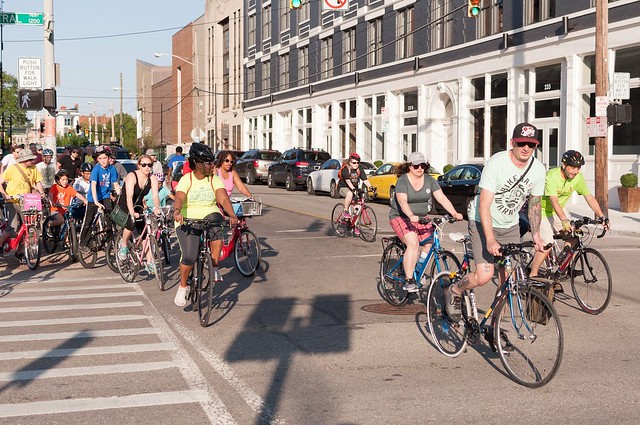
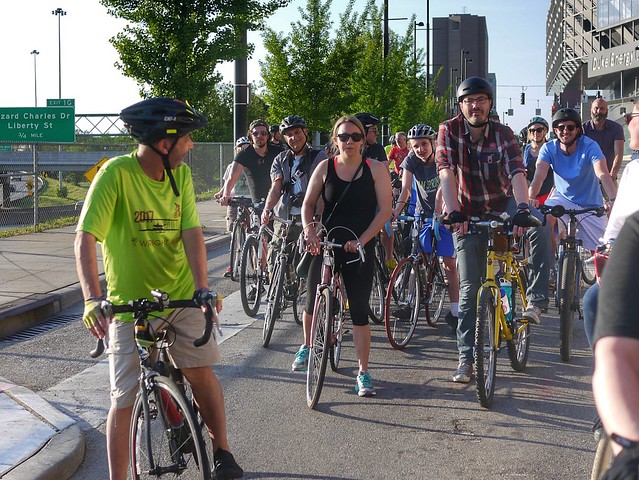
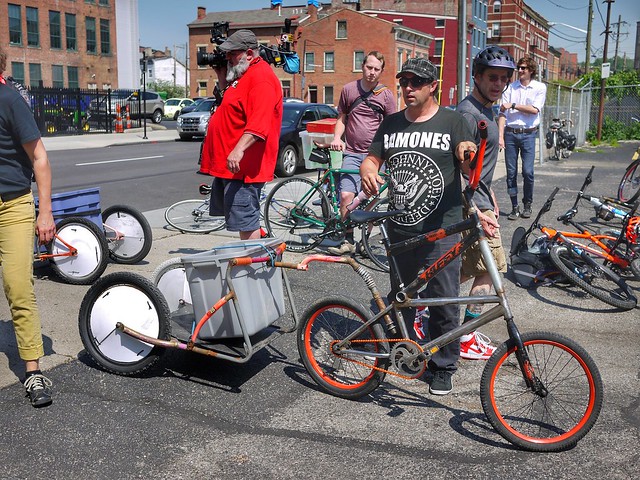
You don't need anything special equipment to haul books, a rack, paniers, some people used backpacks. There were a couple interesting solutions to getting the books delivered however.
Ride for Reading
Ride for Reading
Ride for Reading
Ride for Reading
Libby Hunter of WordPlay Cincy and Judi LoPresti of Spun Bikes have literaly changed the lives of thousands of kids over the last six years.
Ride for Reading
Ride for Reading
High fiving 540 kids. Its more amazing, and louder, than you could ever imagine.
Ride for Reading
Judi and the kids checking out their new books.
Ride for Reading
image provided by Judi LoPresti
[where: 45202] best place to learn how to live downtown cincinnati ohio the ethos of Cincinnati
comments?

Saturday, 12 May 2018

Sid Saturday

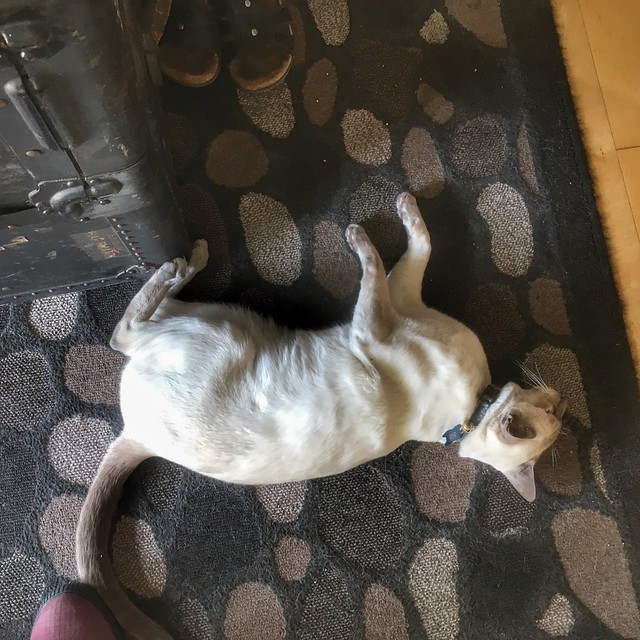
Sid
[where: 45202] best place to learn how to live downtown cincinnati ohio the ethos of Cincinnati
comments?

Friday, 11 May 2018

Rode to nowhere

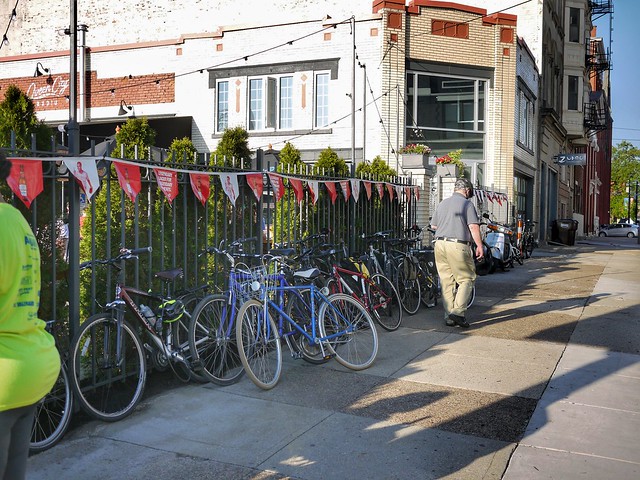
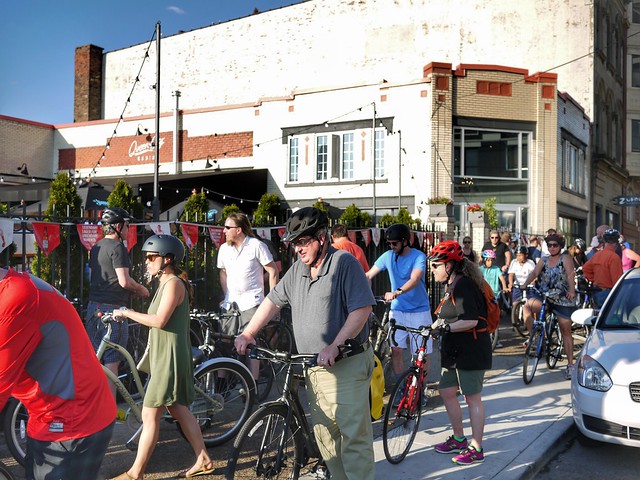
The first real full ride of the season is in the books! Did you know it is possible to ride downtown? And that people do it all the time? If you'd like to check out Cincinnati's amazing downtown and OTR neighborhood by bike you can do that every Tuesday with the Urban Basin Bicycle Club.
What is the Urban Basin Bicycle Club? Every Tuesday at 6:45 UBBC leaves Queen City Radio (at 12th and Central) for a ride around the urban basin. They are themed rides and they usually end at a local bar for refreshments. No special bike, clothes or equipment is needed, pump up the tires, jump on your creaky bike and head downtown.
DISCLAIMER: I'm not in charge of this group, just a big fan of riding bikes.

UBBC Tuesday Night Ride
[where: 45202] best place to learn how to live downtown cincinnati ohio the ethos of Cincinnati
comments?

Thursday, 10 May 2018

Not Your Grandma's Health Care


The health care landscape is quickly and dramatically changing. In my last post--the first of my three-part series on consumerism--we talked about this change and how critical it will be to design a consumer facing health care strategy in the new environment.

As I explained, the first step in plan development is taking an inventory of your current services, determining where you would like to expand or grow your consumer base and evaluating your capacity to do so. The second step, which I believe is the most critical, is all about your customer – getting to know who they are, what they want and what matters most to them. This is really the key to success.

But how do you achieve this?

Today’s health care consumer is not the same as in previous generations. In the past, we would focus on one core customer—the critically ill. Now, what people want, need and are willing to pay for in terms of care and services depends on age, health and family needs, priorities and preferences. We can no longer design health care services with one consumer in mind. In order to develop a successful consumer facing plan, you need to know and understand the four types of health care consumers:

  • Young invincibles: healthy, active community members who are health conscious but are not big users of health services
  • Young families: healthy young parents with various health needs for a range of ages
  • Healthy adults: established community members who lead active lifestyles but may opt for preventative and elective care and services
  • Chronically ill: individuals with chronic diseases that require specialty care and resources 

Next, ask the right questions:
  • How can I anticipate and address the SPECIFIC needs of each of these four core customer groups?
  • How do these groups traditionally show up in our community? What do I anecdotally know about them and is there historical data I can review to help me understand their engagement patterns?
  • How am I going to get them them what they need, where they need it and when they need it at a reasonable cost, at a high level of quality and accessibility?

And if you’re not doing so already, you will want to engage (full tilt) with a database or Customer Relationship Management system to help you better understand your consumers and track and trend their behavior. Your ability to apply analytics and deploy data in your decision making will be critical to your success.

Once you have answered these questions, you should be armed with the information you need to determine the value you can deliver. Here, value can be defined as the ability to provide access to affordable high-quality care and services. Just remember: when it comes to health care and services, value means something different to a 27-year old versus a 50-year old.

At the end of the day, value, and our ability to create it, is the end goal.  If we are to provide our consumers with services that they deem to be of value, we will be well on our way to keep them coming back for more. And once you have answered the value proposition, you will be one step closer to fully realizing consumerism in your organization.

 ----------------------------------------------------------------------


Next: In the third of this three-part series, I will offer five tips to ensure success in implementing a consumerism plan in your organization.
Monday, 7 May 2018

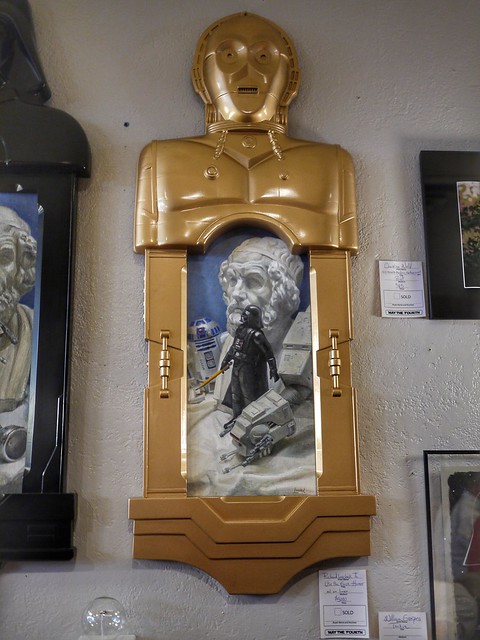
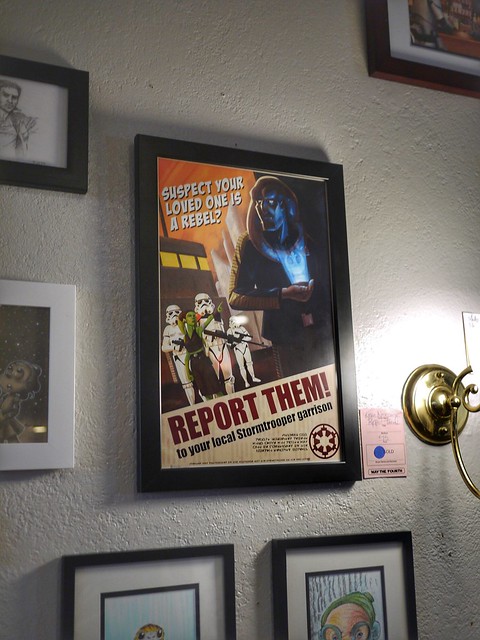
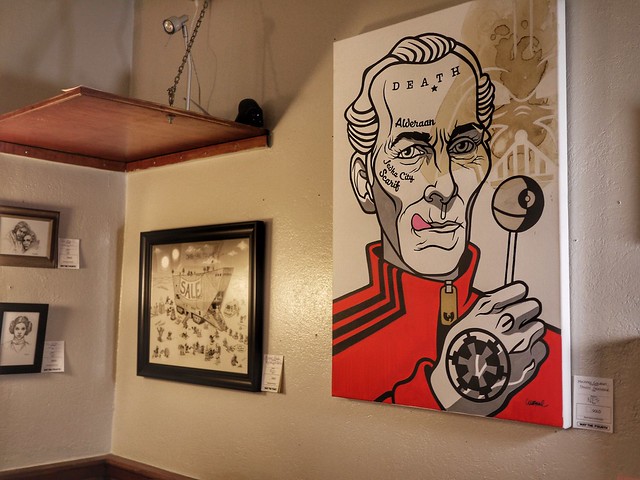
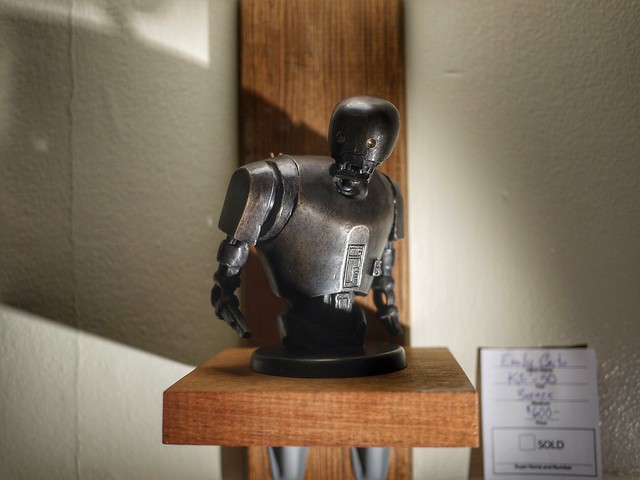
May the Fourth Be With You: An Art Tribute Show

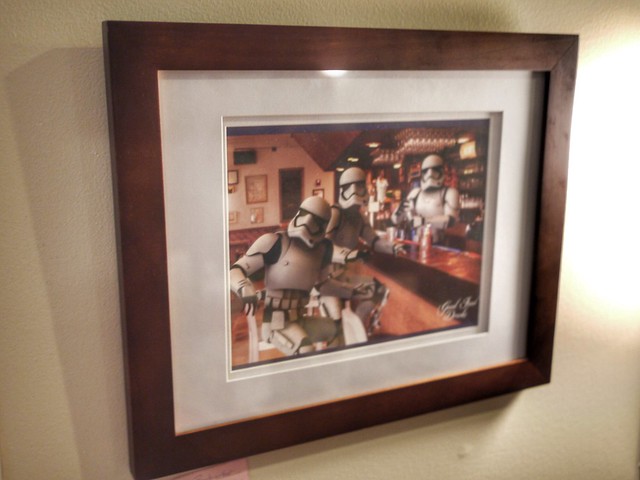
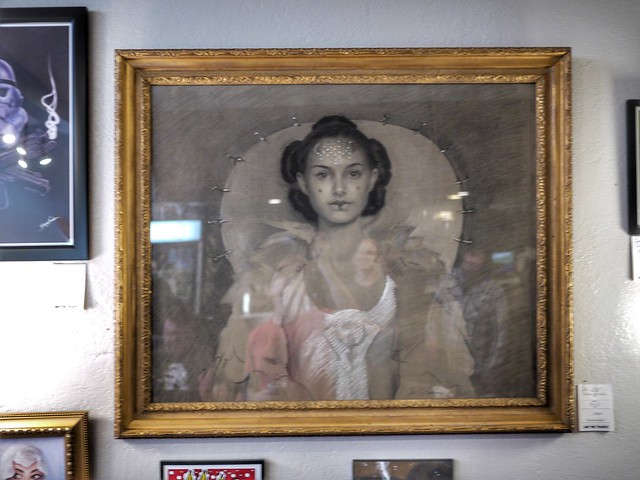
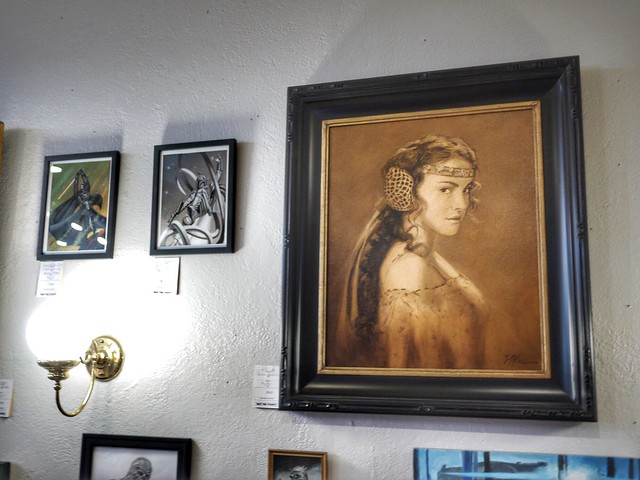
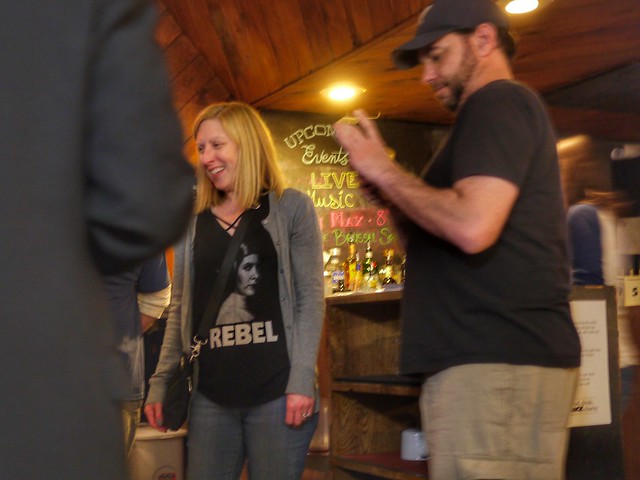
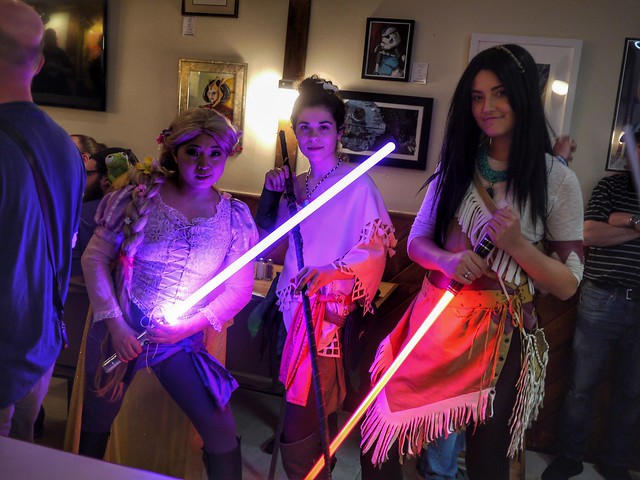
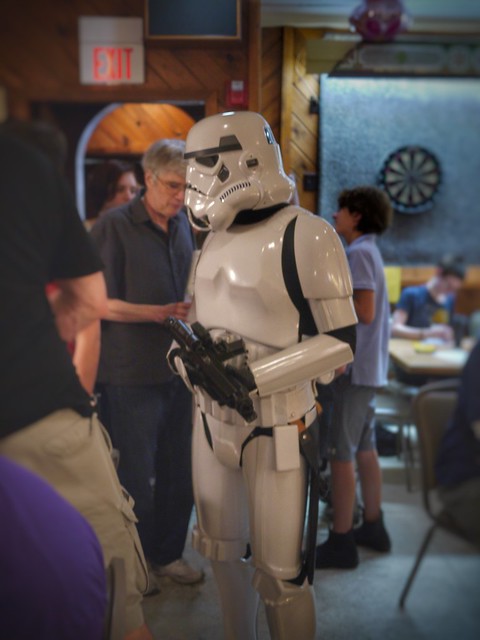
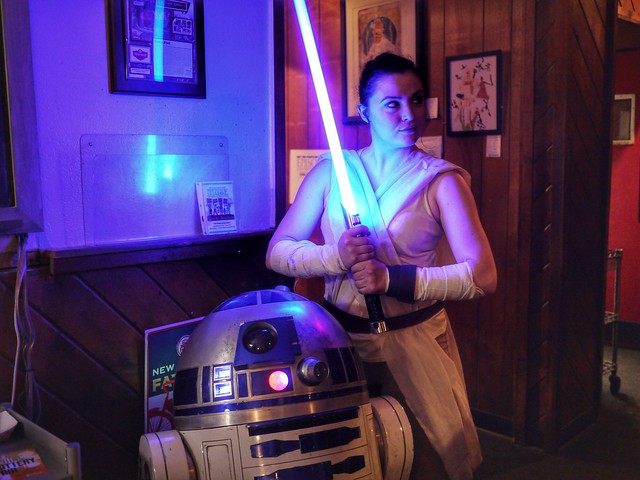
May 4th at The Brewhouse in Walnut Hills, Episode III of the Star Wars fan art show debuted. The quality of the art is amazing, I figured there would be some really good stuff and a bunch of, well, fan art. But I was pleasantly surprised at the quality of the work all the way across the board.
The show runs a couple weeks so if you're a Star Wars fan make sure you swing by grab a beer and check out the incredible art.
EDIT: I just realized there was little to no Ewok art at the show. Those little guys turned a battle and helped drive a stake in Darth Vader and the Empire's heart. You woud think people would show them a little more love. I always wondered about the lost potential of Ewoks, everyone saw what those little bastids could do with logs and rocks, why didn't anyone ever hand them a blaster?
May the 4th be With You
People watching was pretty good too!
Reble or reBEL?
May the 4th be With You
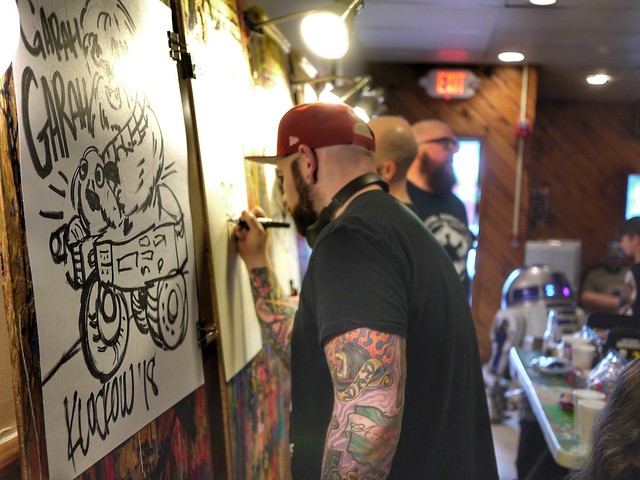
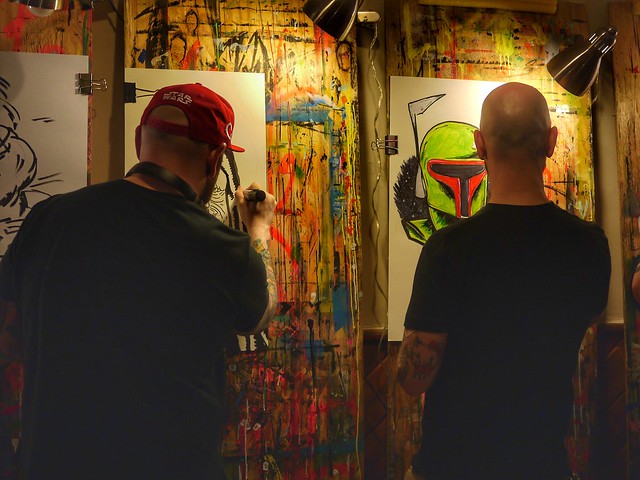
They had some live art action happening too, if you've never seen the process an artist goes through creating art it might be eye opening. Art isn't as simple as you would think.
May the 4th be With You
[where: 45202] best place to learn how to live downtown cincinnati ohio the ethos of Cincinnati
comments 2

Saturday, 5 May 2018

Sid Saturday

Sid
[where: 45202] best place to learn how to live downtown cincinnati ohio the ethos of Cincinnati
comments?

Wednesday, 2 May 2018

Give the People What They Want


I recently read a fascinating article in the Wall StreetJournal on the changing model of hospitals and the new ways in which they are beginning to deliver care. As the author, Laura Landro, explains “the sprawling institutions we know are radically changing—becoming smaller, more digital, or disappearing completely. The result should be cheaper and better care.”

As more of my work pushes me into the consumer-focused health care space, I find myself deeply intrigued by Landro’s vision of the future. She defines a new health care landscape where providers are shifting their focus away from their monolithic inpatient facilities. Instead, they’re placing their energy and resources in serving their patients out in the community where they live—moving from an internal service model to an external one. To do this, providers must expand their service lines to offer more outpatient treatment and convenient care options at strategic locations across the regions they serve. In addition, they’re increasing their investment in technology and turning to telehealth (delivery of health care remotely via the internet) to serve more patients in real time.

As the leader of the second largest hospital in Florida, I know the critical importance of a high quality, accessible and traditional health care setting.  But I also believe that health care providers and facilitators will quickly need to adapt to a changing environment that is highly influenced by consumer behavior. Our ability to be nimble and operate in this new space will be critical to our success and survival.

As Landro acknowledges, many of the changes in care delivery are being driven by economics, but they’re also significantly informed by desires of the patient, or as I now refer to them, the health care consumer. In today’s world, consumerism drives our business - and price, quality and convenience are more important than ever. Increased access to technology, the availability of medical information online, and the rise in smartphones, apps and wearable fitness and health devices, are other factors driving consumer-focused health care.

While many of us understand this in theory, how do we begin to think about putting it into practice?

Like everything we do, careful planning and strategy design are critical to success. When developing your consumerism health care plan, consider the following key questions:
  • How will you gather and analyze meaningful patient data? Developing insights into patients’ behavior and expectations is vital.
  • Have you begun to segment your customer base based on age, risk factors, lifestyle and activity level?
  • Which service lines are in the greatest demand within your consumer population and community? Does offering or enhancing these services makes sense to your bottom line and to the consumers you serve?
  • Do the spaces for care and treatment center around patients (both their experience and efficiency)?
  • Have you considered the ways in which you can holistically integrate all patient management—appointment, tests, etc.?
  • Do you have a plan to invest in technology? Technology is a key driver in consumerism. More importantly, patient-facing technology is critical in order to drive digital natives to engage with your health care organization.

There’s no secret sauce in designing and implementing consumer facing health care but there are two key elements to start with. First, you need to work to have the sufficient services available and second, you need to know your customers. This means spending a significant amount of your time developing a deep understanding of your customer base—who they are, what they want and need and what messages resonates with them. At the end of the day, health care is no different than any other business marketing to a defined customer demographic and/or consumer base.

- - - - - - - - - - - -

In my next post I will offer some tips to help make consumerism a reality in your organization.

Streetlife and foot traffic

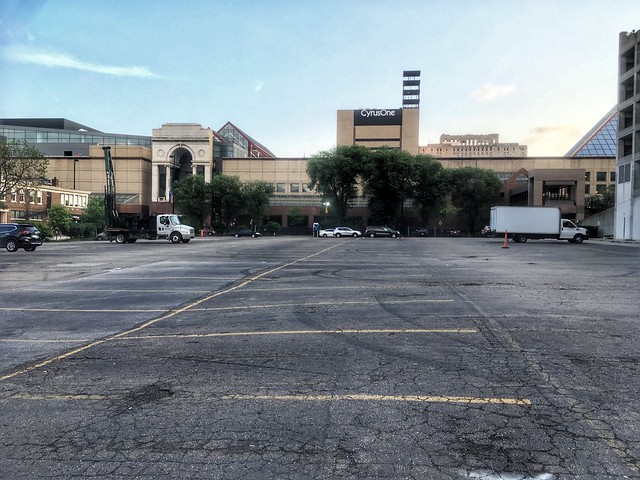
The southwest corner of downtown is resident heavy but business thin. That could all be changing soon with 3CDC's purchase of a 1.7-acre...